Home / 05 Fencing, decking & turfing
Fencing, decking and turfing.
Closeboard fencing built to stand up to a Worcestershire winter, timber decking, and fresh striped lawns laid on properly rotavated, levelled ground.
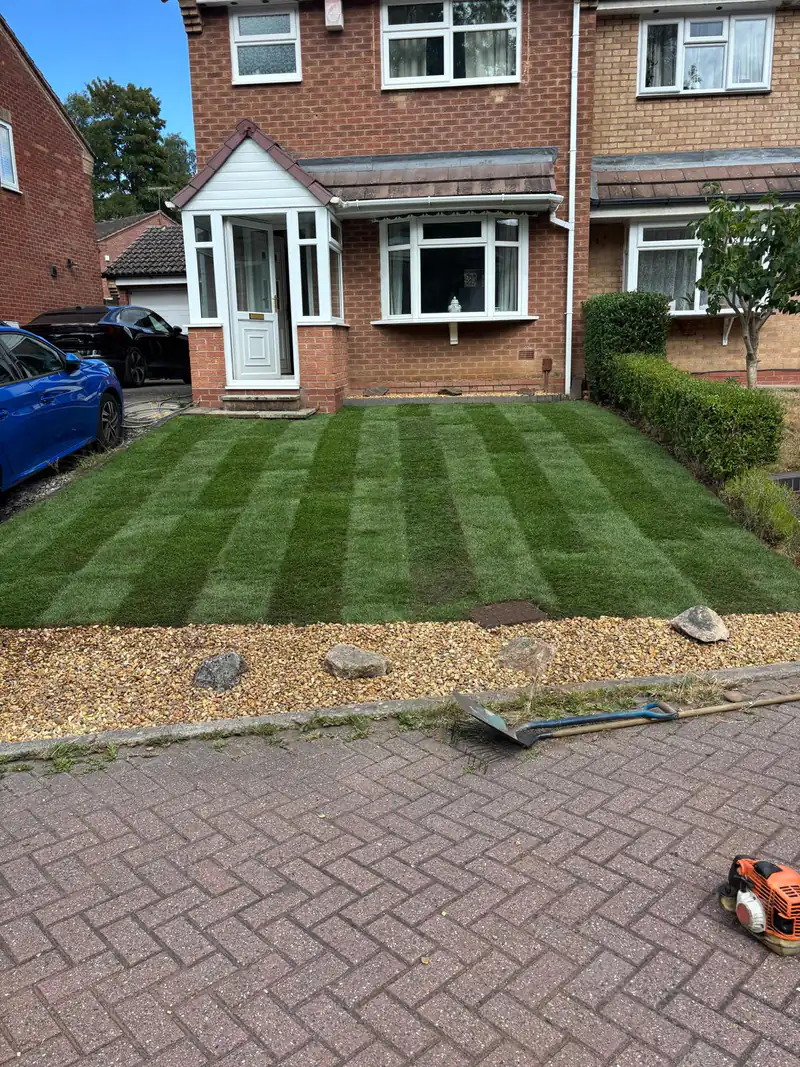
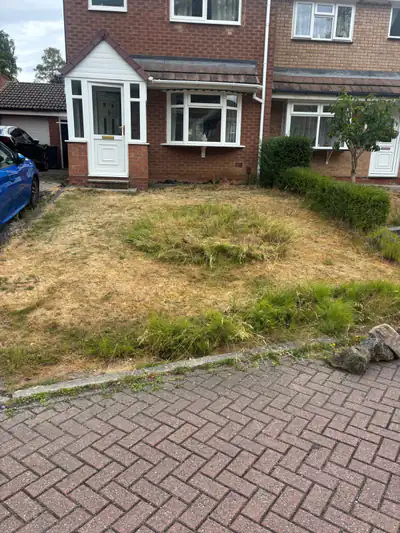 Before
01 / What the work covers
Set out plainly, line by line.
- 01 /
Closeboard fencing
Overlapping feather-edge boards on rails, with concrete or UC4 incised pressure-treated posts set 600mm or more into the ground in postcrete or concrete, 150mm concrete or treated gravel boards to keep the boards clear of wet soil, and a capping rail to shed the rain.
- 02 /
Gates
Side and garden gates hung to match the fence, with proper posts and ironmongery.
- 03 /
Timber decking
Decking built on a solid frame with ventilation underneath, so it lasts.
- 04 /
Fresh turf and lawns
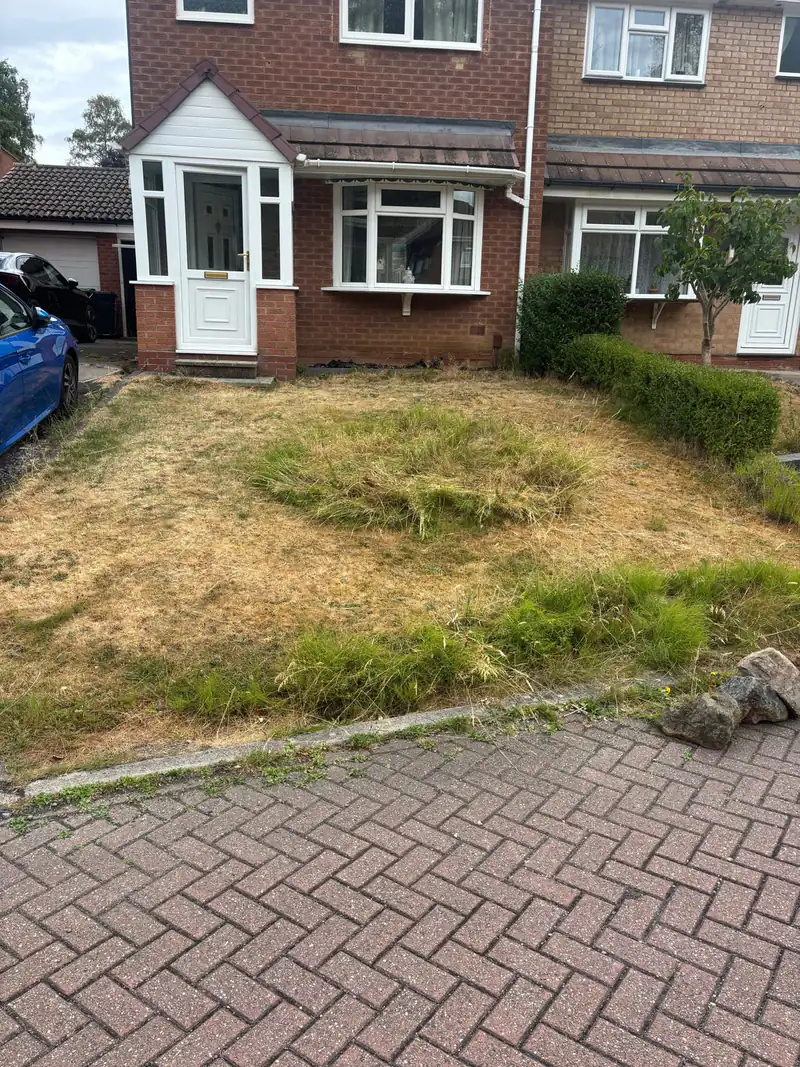
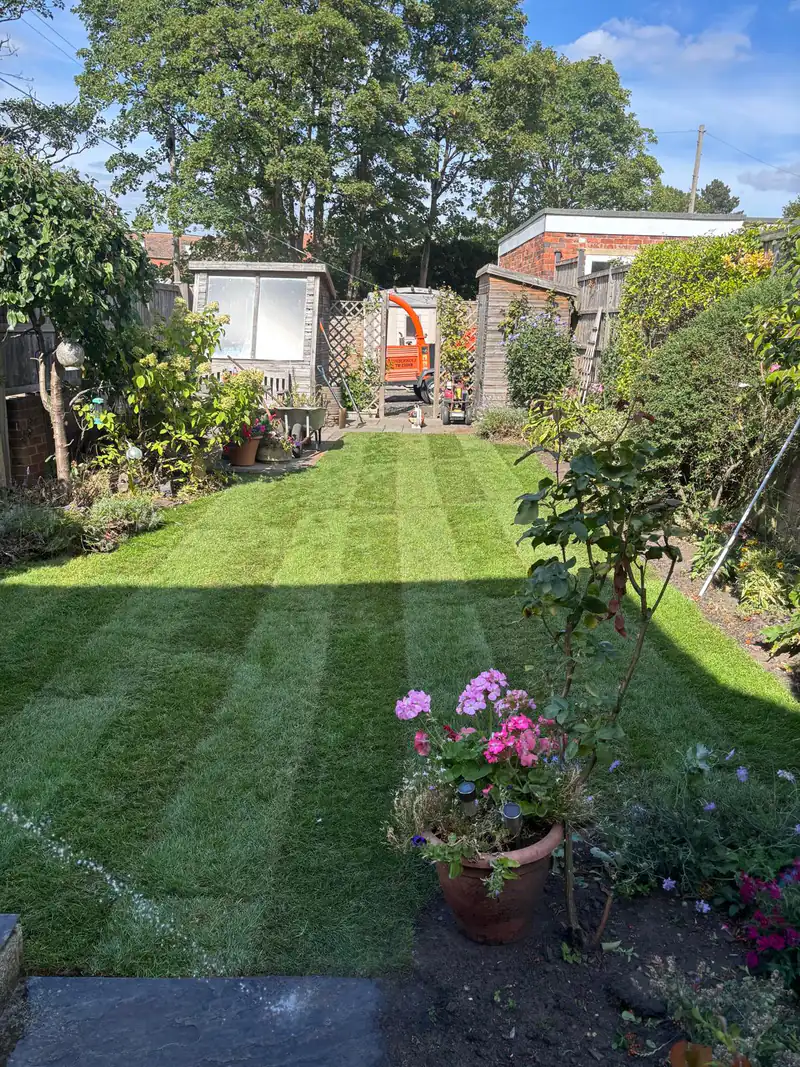
Old lawn stripped, the ground rotavated, graded with screened topsoil and timber edging, then raked to a fine tilth. Fresh cultivated turf is laid in staggered rows, tight, rolled and edged, and finished in clean stripes.
02 / From our own jobs
Before and after.
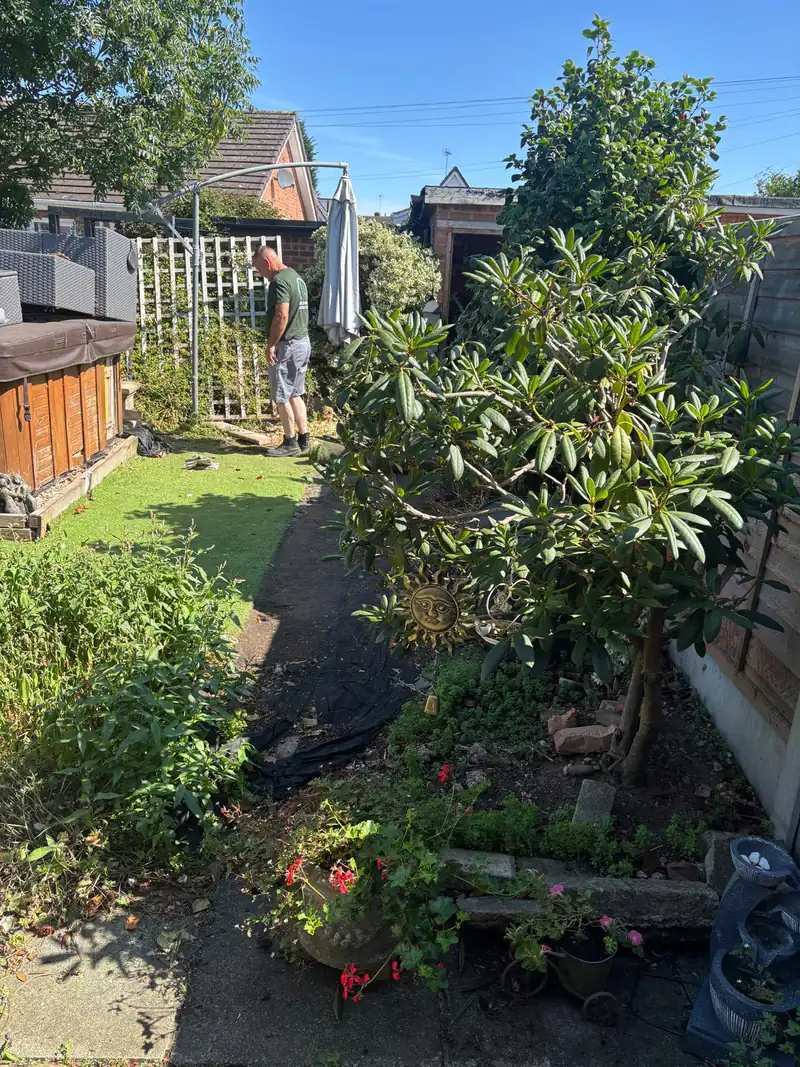
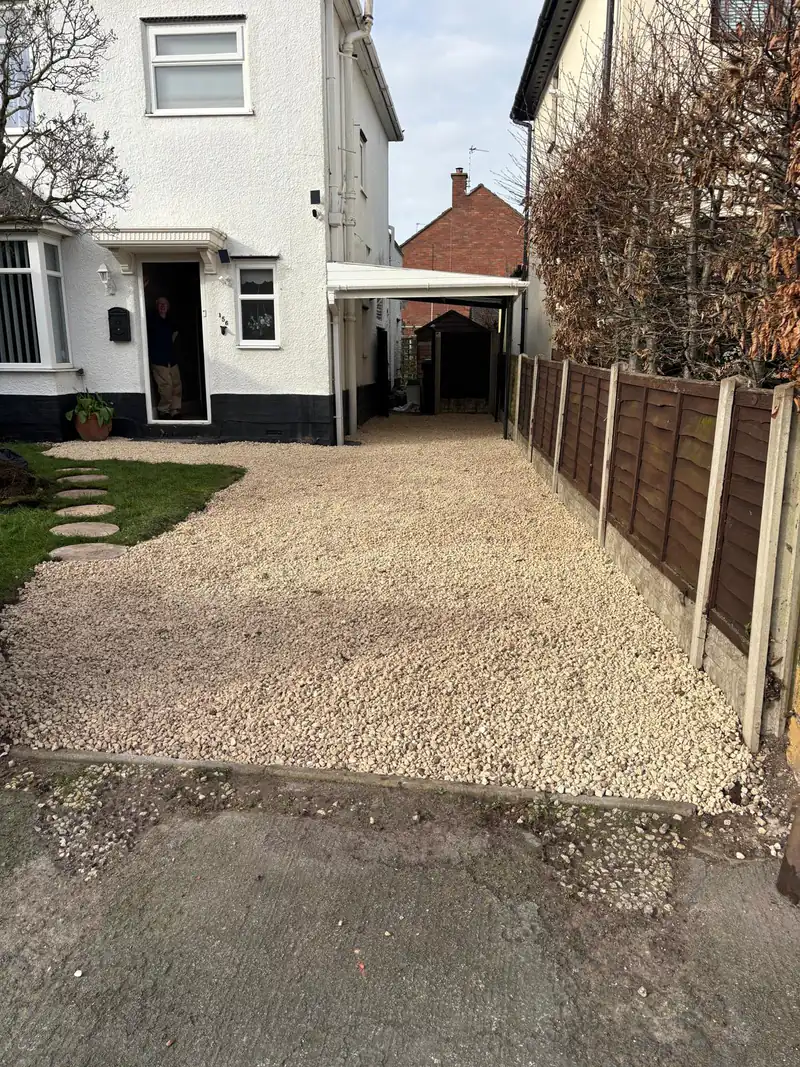
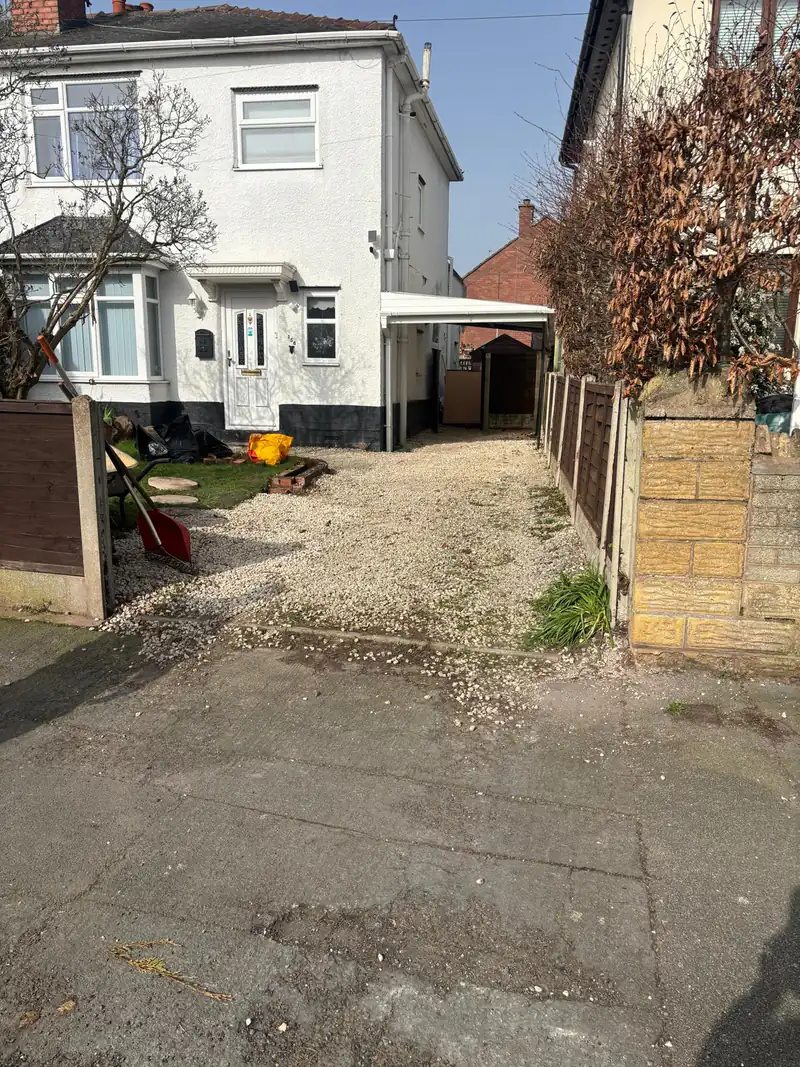
No stock photography. These were taken on site by the team, on the day the work was done. Drag the handle to compare. More recent work
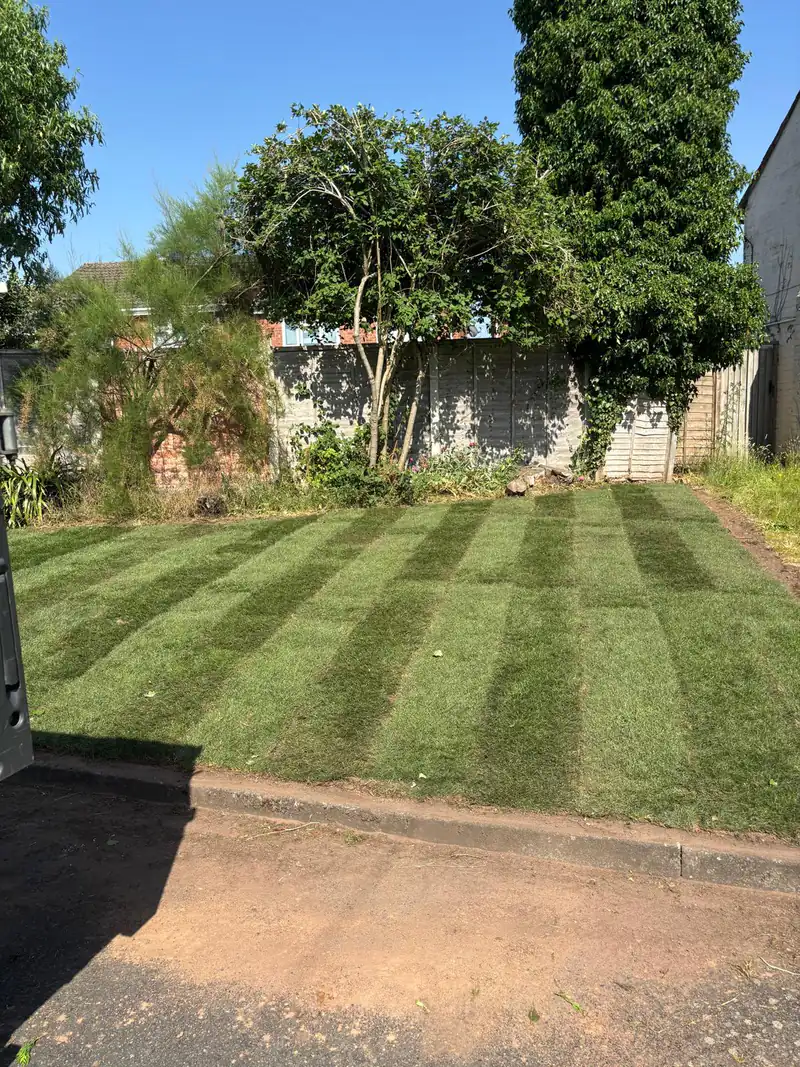
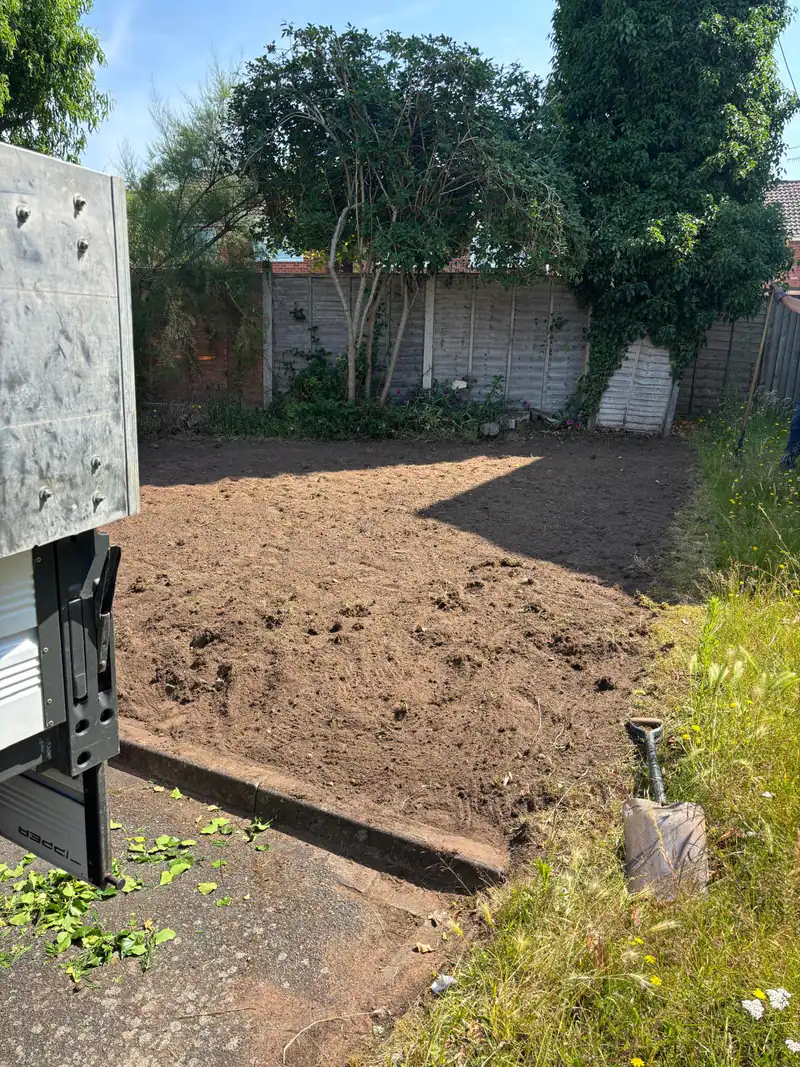
03 / How a job runs
Four steps, start to finish.
- We measure the run or the area and agree heights, style and where gates go.
- Old fencing, decking or turf is taken out and removed.
- Posts are set 600mm or more deep in concrete and left true. Lawn ground is rotavated, graded with screened topsoil and heeled and levelled before any turf goes down.
- We leave the garden swept and take all waste away.
04 / Questions
What people ask us about fencing and turfing.
Why closeboard and not panels?
Panels are quicker and cheaper, but they catch the wind as one sheet and tend to fail at the fixings. Closeboard is built in place, board by board, and stands up far better in an exposed garden.
How deep are the posts set?
At least 600mm into the ground in postcrete or concrete, using concrete posts or UC4 incised pressure-treated timber posts that are made for ground contact. Taller or more exposed fences go deeper.
Why gravel boards?
A 150mm concrete or treated gravel board at the foot keeps the feather-edge boards clear of wet Worcestershire soil, which is what rots most fences. It is a lot cheaper to replace a gravel board than a whole fence.
How high can my fence be?
In most back gardens up to 2 metres without planning permission, and up to 1 metre next to a road. Check with your council if the house is listed or in a conservation area.
How do you prepare ground for a new lawn?
The ground is rotavated, graded with screened sandy-loam topsoil, then heeled and levelled and raked to a fine tilth before turf is laid. Good preparation is what stops a lawn going patchy.
When is the best time to lay turf?
Autumn and spring are ideal, when the ground is moist and warm. Turf can be laid in summer if it is watered well until it roots.
05 / Free site visit
Get your fencing or lawn quoted.
Tell us where you are and what you would like done. One of the family will visit free of charge and send a clear fixed price in writing — zero sales pressure.
06 / Where we work
Based in Stourport-on-Severn, working across Worcestershire & the Shropshire border.
- 01Stourport-on-Severn
- 02Kidderminster
- 03Bewdley
- 04Hartlebury
- 05Ombersley
- 06Worcester
- 07Droitwich
- 08Bromsgrove
- 09Bridgnorth
If you are a little further out, ring us — we will tell you straight whether we can help. See all areas covered.
07 / Other services